
Discover the True Benefits of Metta Meditation for Your Mind and Body
Introduction to Meditation
Meditation is the practice of focusing the mind to achieve a state of mental clarity, stability, and calm. Originating thousands of years ago in ancient spiritual traditions, meditation has since evolved into a diverse practice that transcends cultural boundaries. Historically, it has been used as a tool for spiritual growth, inner peace, and insight.
In recent years, meditation has gained prominence globally for its range of benefits. The practice is often associated with stress reduction, but its advantages extend far beyond a mere calming effect. Meditation nurtures a holistic development of mental, emotional, and physical well-being.
However, there still exist many misconceptions about what meditation entails. Some believe it requires religious devotion or renunciation of worldly life. Others feel it is too difficult or time-consuming. In truth, meditation can be as simple as observing your breath for a few minutes a day. No special attire, setting, or religious inclination is needed to harness its benefits. It is flexible, adaptable, and accessible to everyone.
Mental Benefits
Meditation plays a crucial role in enhancing cognitive functions. One of its major benefits is the enhancement of focus and concentration. By practicing concentration-based techniques, individuals can train their brains to remain present and attentive. This continuous engagement builds mental discipline, translating into better performance in daily tasks, whether at work or home.
In addition to focus, meditation significantly improves memory retention. Regular practitioners often find themselves more adept at recalling information and finding solutions to problems. Mindfulness meditation, in particular, is known for helping individuals be more present, leading to improved awareness and memory.
Mental clarity is another positive outcome of meditation. It helps clear mental clutter, promoting alertness and a sharper mind. This clarity fosters better decision-making and problem-solving skills, allowing individuals to navigate life's challenges more effectively.
Emotional Benefits
Emotional health is essential, and meditation can foster a more positive emotional state. Here are five steps to cultivate emotional well-being through meditation:
Begin by observing your thoughts without judgment. Self-inquiry meditation helps you recognize your emotional patterns, aiding in emotional regulation.
Mindfulness meditation trains you to stay present with your emotions, preventing escalation into anxiety or stress. It allows you to process feelings as they arise.
Metta or loving-kindness meditation develops compassion and empathy. Repeating positive affirmations towards oneself and others cultivates kindness and reduces negative emotions.
Consistency in meditation practice reinforces emotional stability. It helps in managing stress and building emotional resilience over time.
Regular self-reflection nurtures a deeper understanding of emotional responses. This awareness fosters personal growth and positive emotional health.
Benefits of Meditation
Meditation, a practice rooted in ancient traditions, has gained immense popularity in contemporary society, and for good reason. In today's fast-paced and stress-laden world, meditation serves as a beacon of calm and balance, offering an array of benefits that enhance both mental and physical well-being. At its core, meditation involves focusing the mind and eliminating distractions, which can significantly improve mental clarity and concentration levels. By regularly engaging in meditation, individuals can cultivate a heightened sense of awareness and focus that often translates into better decision-making and problem-solving abilities in their daily lives. This mindful practice encourages a deliberate slowing down of thoughts, which can lead to enhanced cognitive function and improved mental acuity. Emotional health is another facet of life that meditation positively impacts. Numerous studies have shown that meditation can significantly reduce symptoms of anxiety and depression, leading to overall emotional stability. The practice encourages self-awareness and acceptance, allowing individuals to process their emotions more effectively and respond to stressors in a healthier manner. This increased emotional intelligence promotes resilience, enabling practitioners to navigate the ups and downs of life with greater ease. Furthermore, meditation fosters a deep connection with oneself, nurturing a sense of peace and contentment that often results in a more positive outlook on life. Physically, the benefits of meditation are equally noteworthy. One of the most significant advantages is its ability to reduce stress levels by lowering the production of stress hormones such as cortisol. Chronic stress is known to exacerbate a variety of health issues, including heart disease and weakened immune function. Regular meditation practice can counteract these effects, enhancing the immune system and promoting overall physical health. Additionally, meditation has been associated with improved sleep patterns. By calming the mind and body, meditation aids in the reduction of insomnia and enhances the quality of sleep, allowing individuals to wake up feeling rejuvenated and well-rested. Beyond individual benefits, meditation can also enhance interpersonal relationships. As individuals become more attuned to their own thoughts and emotions, they are better equipped to understand and empathize with the emotions of others. This heightened emotional awareness can lead to improved communication and a deeper connection with friends, family, and colleagues. Moreover, many meditation practices emphasize the cultivation of compassion and kindness, which can create a more harmonious and positive social environment. Overall, meditation serves not just as a tool for personal growth and health, but as a catalyst for building stronger, more empathetic communities.Social and Interpersonal Benefits of Meditation
Meditation is not only beneficial for individual mental and physical health, but it also offers profound social and interpersonal advantages. By fostering greater self-awareness and compassion, meditation enables individuals to connect more deeply with themselves and others. Through meditation, one develops an acute sense of empathy and understanding, which can lead to improved relationships. It encourages active listening and emotional support, contributing to healthier and more satisfying interactions.
Furthermore, meditation promotes better communication skills. By anchoring oneself in the present and reducing stress, individuals tend to approach conversations with increased patience and clarity. This enhances the ability to articulate thoughts and feelings clearly, paving the way for more meaningful dialogues. Meditation's emphasis on mindfulness helps individuals to overcome reactive tendencies, allowing for thoughtful responses rather than impulsive reactions.
Group meditation sessions can even foster community and shared experiences, strengthening social bonds. Whether practiced individually or in groups, meditation promotes a sense of collective consciousness and interconnectedness, reminding individuals of the shared human experience. These social benefits illustrate how meditation extends beyond personal gain, enriching collective social health.
Types of Meditation Techniques
Understanding various meditation techniques can be instrumental in selecting a practice that best aligns with one's personal goals and p
REFERENCES
Transcendental meditation (TM) involves the use of a specific mantra or sound, silently repeated to settle the mind into a state of profound rest. TM promotes deep relaxation and can be an excellent option for those seeking stress relief and heightened self-awareness.
Guided visualization, another popular form, involves creating mental images of places or situations associated with relaxation, aligning thoughts with positive outcomes. This technique is especially beneficial for those who favor structured meditation guidance.
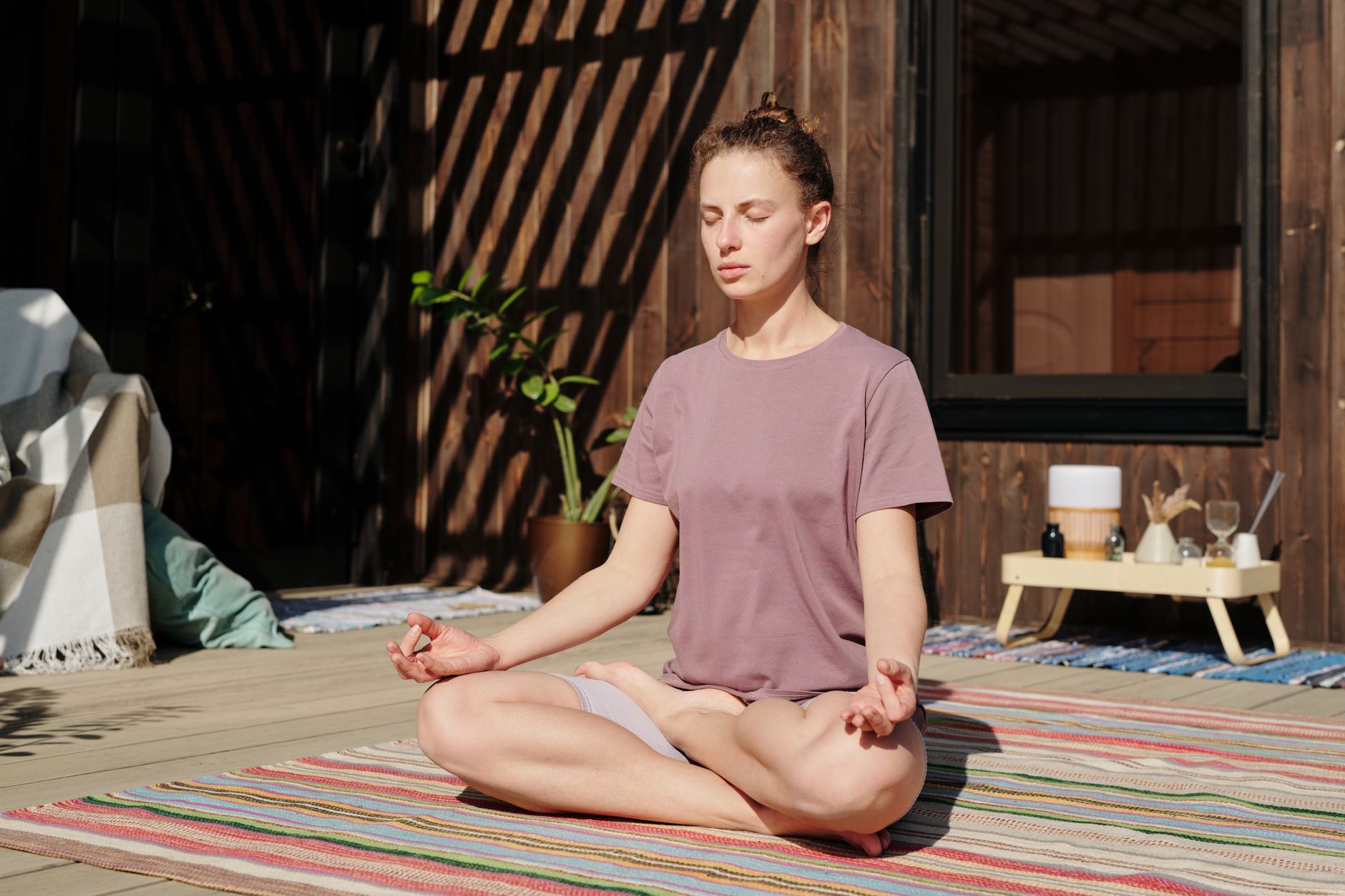
Explore Meditation Further
Enhance your meditation practice with resources that offer guided sessions, tips, and support for all levels.
View All ArticlesFrequently Asked Questions
The benefits of meditation may begin to manifest after a few weeks of consistent practice; however, experiences vary among individuals. Beginners might notice improved relaxation and clarity sooner, whereas deeper mental and emotional benefits could take longer to become apparent. Regular practice—aiming for at least 10-20 minutes daily—can enhance outcomes over time.
Yes, blending different meditation techniques can be effective. Combining mindfulness with transcendental meditation, for example, might amplify relaxation and awareness. It's essential to ensure a comfortable and balanced practice that meets your personal p
REFERENCES
There isn't a definitive answer, as each technique serves different purposes. Mindfulness focuses on present-moment awareness, beneficial for reducing stress and boosting focus, while Transcendental Meditation emphasizes deep relaxation using a mantra. Choice should depend on personal goals, and some may find combining aspects of both advantageous.
If meditation feels challenging, it's important to start small and be patient with yourself. Begin with guided sessions that offer structure and support. Consistency is key, even if it means engaging in short five-minute practices initially. Gradually increase duration as comfort with the practice grows, and remain open to exploring different techniques until you find one that resonates.
For optimal benefits, incorporating meditation into your daily routine is recommended. Aiming for 20 minutes of meditation per day can provide significant improvements in mental and physical health. Consistency contributes to long-lasting benefits, with regular practice being more impactful than sporadic, lengthy sessions.
Yes, meditation can be highly beneficial in managing workplace stress. Regular practice facilitates better stress response, improves focus, and enhances emotional regulation, which can be particularly useful in high-pressure settings. Employing short meditation breaks during the workday can help maintain productivity and reduce overall stress levels.
About the Author
This content is for informational purposes only and should not be considered professional advice.
REFERENCES
- Journal of Clinical Psychology (2021): "The Effects of Mindfulness Practices on Emotional Wellbeing"
- The American Heart Association (2017): "Statement on Meditation and Cardiovascular Disease"
- Journal of Retailing and Consumer Services (2020): "Mindfulness and Consumer Behavior"
Embark on Your Meditation Journey Today
Meditation can transform your life, offering mental, emotional, and social benefits. Start small, be consistent, and witness the profound changes unfold.
LEARN MORE →